The aroma of a bustling Sydney restaurant is intoxicating—a perfect blend of spices, searing meats, and culinary magic. But behind every delicious plate lies a complex, highly regulated industrial operation. For the public, the focus is on the food; for health inspectors and fire officials, the focus is on the greasy, combustible apparatus suspended above the stoves: the kitchen hood system. Understanding how often must Sydney restaurants clean their hoods? is not just about following a checklist; it is a critical matter of fire safety, public health, and legal compliance. The seemingly simple act of cleaning, however, is a deep dive into Australian safety standards, balancing preventative maintenance with operational necessity.
The Regulatory Pillars: Why Cleaning Is Non-Negotiable
The rules governing commercial kitchen ventilation are complex because they sit at the intersection of public health and fire safety. A dirty hood is not merely unsightly; it is a volatile hazard. Grease accumulation acts like a slow-burning fuse, and when combined with high heat, the risk of a catastrophic fire skyrockets. This means that compliance is dictated by multiple bodies, not just a single "cleanliness" rule.

Local Council and Health Department Mandates
Local councils and NSW Health set the baseline for operational hygiene. They are primarily concerned with preventing contamination and ensuring the kitchen environment is safe for patrons and staff. While they enforce general cleanliness, they often defer specific, technical cleaning schedules to specialized fire safety regulations.
- Contamination Control: Proper cleaning prevents the buildup of bacteria and residues that could affect food safety. Waste Management: It ensures that the grease trapping and disposal processes are handled correctly, preventing blockages in the drainage system.
Fire Safety Standards and the Grease Hazard
The most critical factor determining cleaning frequency is the fire risk. The National Construction Code (NCC) and local fire authorities treat grease-laden hoods as high-risk areas. They view the buildup of grease—which is essentially fuel—as a ticking time bomb.
A recent anecdote involves a Sydney bistro that, due to cost-cutting measures, delayed its professional hood cleaning for six months. When inspected, the accumulated grease coating the ductwork was deemed a severe fire hazard, leading to a hefty fine and mandated shutdown until professional deep cleaning was completed. This demonstrates that "good enough" is not compliant enough when lives and livelihoods are at stake.
Establishing the Cleaning Rhythm: Frequency and Scope
To answer how often must Sydney restaurants clean their hoods?, the answer is not a single number; it is a combination of routine, deep cleaning, and preventative inspection. The frequency must be structured to address different types of buildup.
Daily and Weekly Maintenance Routines
Daily cleaning refers to the visible, surface-level tasks performed by kitchen staff. This includes:
- Wiping down visible surfaces of the hood and filters. Removing grease from the immediate collection area. Emptying grease traps and filters (if appropriate for the staff to do so).
These tasks are essential for maintaining operational hygiene and preventing minor buildup from becoming major problems. Think of it as the daily brushing of teeth—it keeps the immediate problem manageable.
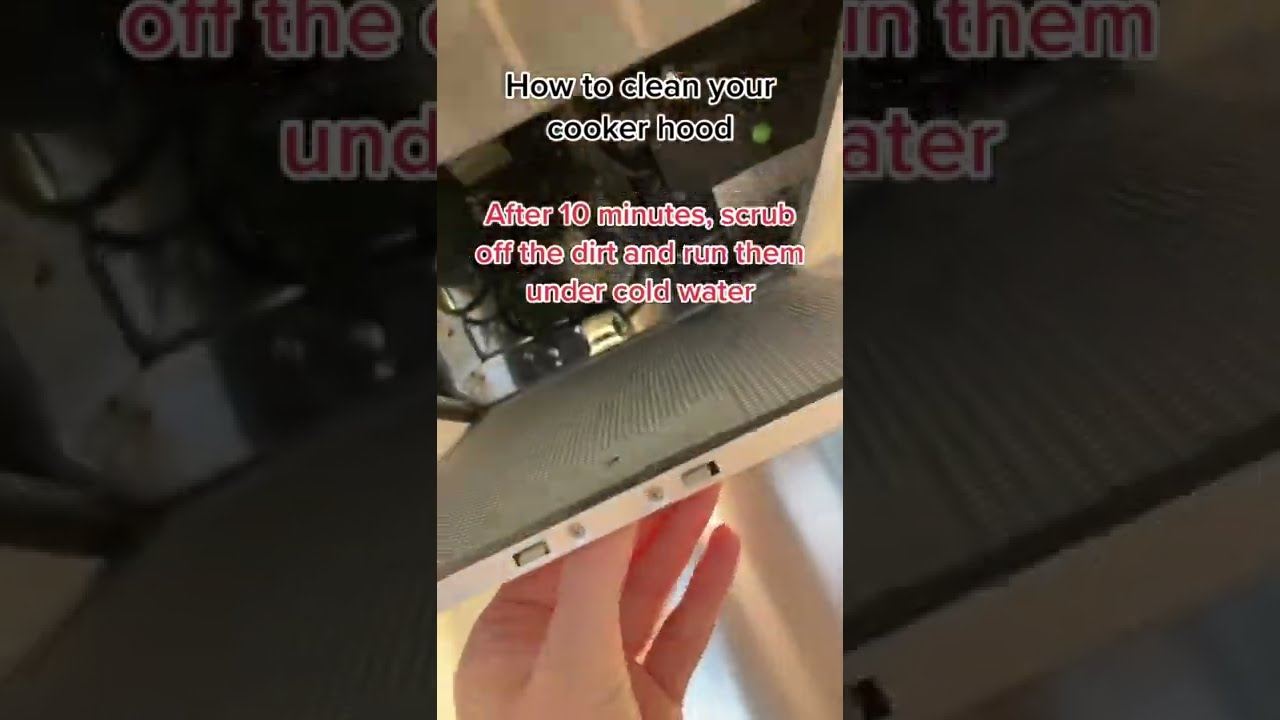
Quarterly and Annual Deep Cleaning
The true "deep cleaning" that addresses the structural hazard must be performed by certified professionals, and this is where the frequency becomes rigid.
The Consensus Standard: Most fire safety experts and regulators recommend professional, commercial-grade hood cleaning and duct maintenance at least quarterly (every three months), especially in high-volume cooking environments.
This deep cleaning goes far beyond what staff can manage. It involves:
- Ductwork Cleaning: Removing built-up grease and carbon deposits from the internal ductwork. Filter Replacement: Ensuring the actual metal filters are structurally sound and properly installed. System Inspection: Checking the fire suppression system (e.g., Ansul system) for proper function and charge levels.
If the restaurant operates heavily with high-heat grilling or deep frying, the frequency may need to increase, making the cleaning schedule a dynamic element of risk assessment.
Beyond the Brush: Best Practices for Compliance
Compliance is not just about passing an inspection; it is about building a culture of safety that is ingrained in the restaurant’s daily operations. Ignoring this commitment is like trying to hold back a tidal wave with a garden hose.
The Value of Professional Expertise
When it comes to hood cleaning, the kitchen manager should never assume that in-house cleaning is sufficient for deep ductwork. The composition of grease, carbon, and accumulated particulates requires industrial-grade equipment and specialized chemicals that staff do not possess.
"The difference between a simple wash and a professional cleaning is the difference between addressing the symptom https://telegra.ph/How-Often-Should-I-Clean-Rangehoods-in-a-High-Density-Area-A-Comprehensive-Guide-05-17 and eliminating the cause," noted one fire safety consultant. Hiring certified professionals ensures that the cleaning is thorough, documented, and meets the exacting standards set by NSW authorities.
Documentation: Your Shield of Compliance
The most overlooked, yet most vital, component of compliance is record-keeping. A meticulous logbook serves as the restaurant's shield. This document must track:
- Date and time of cleaning. The specific services performed (e.g., duct cleaning, filter replacement). The name and certification details of the cleaning company. The results of the fire suppression system test.
If an incident were to occur, having these records immediately proves due diligence and can mitigate severe liability.
Maintaining Vigilance in Sydney's Culinary Scene
The commitment to safety in Sydney's vibrant dining scene is paramount. By understanding how often must Sydney restaurants clean their hoods?, we learn that the answer is "frequently, thoroughly, and professionally." It is a cycle of vigilance, preventive action, and expert maintenance.

The grease buildup in a hood system is insidious; it builds up silently, often unseen, until the moment it causes a disaster. Recognizing this risk means treating the ventilation system with the same reverence as the expensive copper pots and pans. It requires viewing the hood not as a functional necessity, but as a critical piece of life safety infrastructure.
By integrating professional cleaning schedules into the core business model, Sydney restaurants not only safeguard their staff and patrons but also ensure their continued operation. A proactive approach to safety is the ultimate seasoning for a successful, sustainable restaurant.
If your establishment operates high-heat cooking methods, take the initiative to review your current cleaning schedule. Don't wait for an inspection to tell you what you should be doing—be the architect of your own safety.