If you live in Sydney and cook regularly, you know the struggle. That glorious, delicious meal you’ve just finished often leaves behind a greasy, sticky residue in your rangehood that looks less like a kitchen appliance and more like a swamp creature’s digestive tract. While it’s tempting to ignore it until the next deep clean, neglecting rangehood grease is far more than just an aesthetic issue—it’s a serious safety concern. For many Sydney homeowners, the question of what is the legal requirement for rangehood cleaning Sydney? often sparks a mix of panic and confusion. Does a council mandate a deep clean every six months? Do I need a professional certification? This comprehensive guide will cut through the noise, explaining the actual standards, the risks involved, and the best practices to keep your kitchen safe, sparkling, and compliant with local regulations.
Understanding the Risks: Why Rangehood Grease is a Hazard
Before diving into the specifics of local laws, it is crucial to understand why cleaning your rangehood is non-negotiable. Grease isn't just sticky; it's fuel. When combined with high heat sources, it creates a highly flammable mixture that can lead to catastrophic fires.
The Fire Hazard: Grease, Heat, and Disaster
The primary concern with a dirty rangehood is fire. Grease traps act like slow-burning fuel cells. If a grease buildup reaches a critical mass, a sudden flare-up can ignite the surrounding materials, leading to a much larger incident than a simple kitchen fire.
- Grease buildup: Over time, microscopic particles of grease accumulate on filters, vents, and internal surfaces. Ignition source: When the stovetop is used, the heat source provides the necessary ignition point. The danger: The fire can spread rapidly and often requires more effort—and more expensive cleanup—than anticipated.
It https://hectorcahw208.lowescouponn.com/protecting-your-business-expert-inner-west-commercial-kitchen-exhaust-cleaning-sydney-services is a sobering thought, but are you sure your rangehood is safe? An anecdote I once heard involved a homeowner who thought a small smoke alarm was a minor issue, only to discover the source of the smoke was years of accumulated, combustible grease. Prevention, in this case, is the ultimate form of insurance.
Beyond Fire: Health and Hygiene Standards
While fire safety dominates the conversation, there are also hygiene aspects. Grease and airborne kitchen particles can harbor bacteria and mold. A professional clean ensures that the appliance is not only safe from combustion but also contributes to a healthier living environment. Think of your rangehood as the lung of your kitchen—it needs to breathe cleanly.

Navigating Regulations: Local Sydney Guidelines
When addressing what is the legal requirement for rangehood cleaning Sydney?, the answer is nuanced. Unlike some appliances that have mandatory, scheduled maintenance, the law typically focuses on preventing negligence rather than mandating a specific cleaning schedule.
The Focus on Negligence, Not Schedule
Generally speaking, NSW law does not dictate a specific cleaning date (e.g., "clean every 6 months"). Instead, the legal emphasis, particularly from councils and insurance providers, falls heavily on the concept of due diligence and negligence.
If a fire occurs and an investigation determines that the fire was directly caused by predictable, severe neglect (such as allowing massive, accumulated grease buildup), insurance claims can be complicated, and liability could be questioned.
Understanding NSW Council Guidelines
While councils do not usually issue a "Rangehood Cleaning Certificate," they are highly concerned with overall property safety, especially in multi-unit dwellings. When a council or building manager inspects a property, they are looking for evidence of reasonable maintenance.
This means that a visible, excessive buildup of grease or grime could be flagged during an inspection as a safety hazard, even if it doesn't breach a specific cleaning code. The law requires you to maintain the property to a standard that prevents foreseeable harm.
- The Golden Rule: Treat preventative maintenance as your primary legal defense. Best Practice: Regular, visible cleaning demonstrates that the owner is taking reasonable care of the property.
DIY vs. Professional Deep Cleans
The decision of who should clean your rangehood depends on the severity of the buildup and the components involved.
- DIY Cleaning: Excellent for routine, light maintenance. This involves cleaning visible surfaces, filters, and the exterior. It is the easiest way to mitigate small risks. Professional Deep Clean: Highly recommended when grease buildup is severe, or when the rangehood contains complex, hard-to-reach components (like venting systems) that require specialized equipment. A professional service ensures all corners are scrubbed, eliminating potential hotspots.
As one industry expert wisely stated, "Prevention is not just about stopping a fire; it's about preserving the peace of mind that comes with knowing your home is safe."
Maintaining Safety: The Proactive Approach to Kitchen Care
If the law emphasizes preventing negligence, then the most important takeaway is adopting a proactive, sustainable cleaning regimen.
Creating a Maintenance Routine
Don't wait for a crisis to become a cleaning opportunity. Integrate maintenance into your kitchen habits.

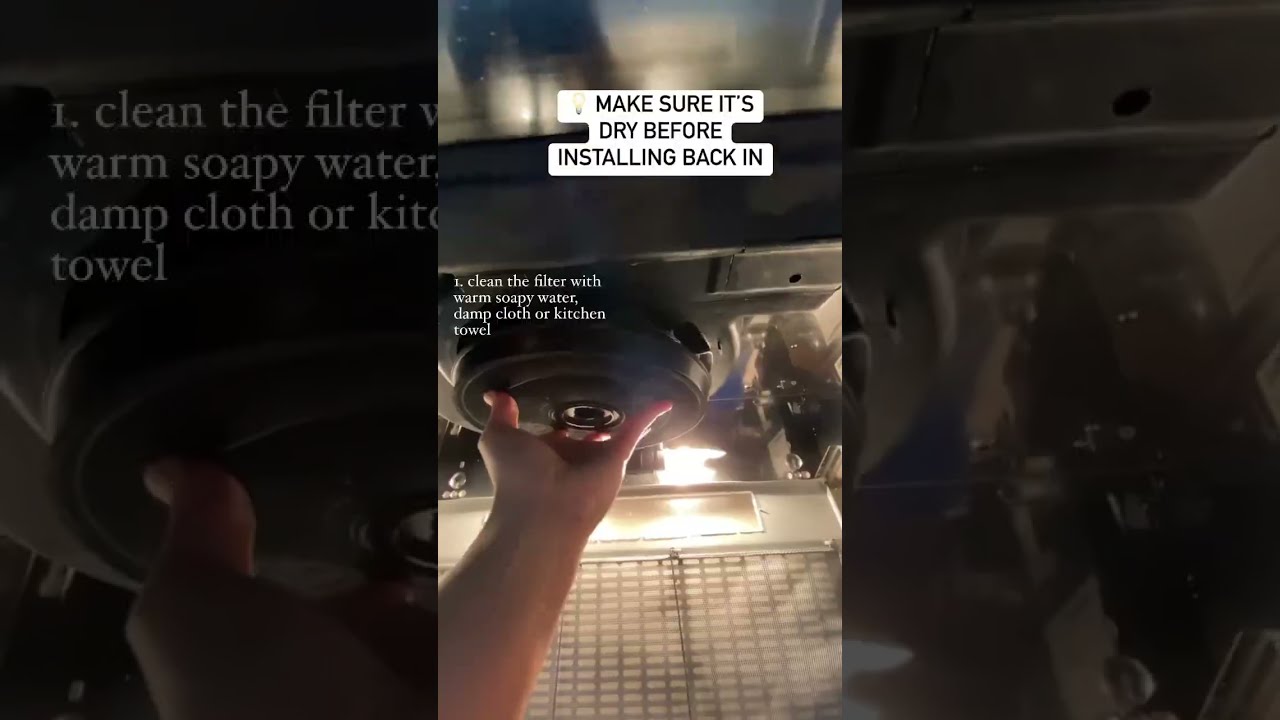
- Post-Cooking Wipe Down: Immediately wiping down visible grease splatters prevents them from hardening and forming thick layers. Filter Cleaning: Filters should be cleaned frequently, perhaps monthly, depending on how much you cook. They are the first line of defense. Ventilation: Always use your rangehood when cooking, even if you think the smoke is minor.
The Role of Professional Assessment
While you can manage the day-to-day cleanup, periodic professional assessments are invaluable. A professional cleaner can not only deep-clean but can also inspect the internal mechanisms, the venting, and the electrical components, identifying potential weak points you might otherwise miss.
By understanding what is the legal requirement for rangehood cleaning Sydney?—which is essentially to act responsibly and prevent foreseeable harm—you shift the focus from compliance anxiety to genuine safety mastery.
Keeping Your Kitchen Safe and Sparkling
A clean rangehood is not just about good aesthetics; it is a critical component of your home’s overall safety infrastructure. By treating rangehood maintenance as a vital part of your home care, you are not merely ticking a box; you are protecting your family and your assets.
To summarize the key takeaways:
- Legal Focus: NSW law emphasizes due diligence and preventing negligence, not mandatory cleaning dates. Risk Focus: The primary danger is the highly combustible nature of accumulated grease. Best Practice: A combination of routine DIY cleaning and periodic professional deep cleans is the safest approach.
Don't let grease buildup turn your kitchen into a ticking time bomb. By implementing a consistent maintenance routine, you ensure that your home remains a sanctuary, not a hazard. Take action today: inspect your rangehood, clean those filters, and breathe easier knowing your Sydney kitchen is safe.